Working as a farrier is one of the most hands-on, physically demanding, and rewarding professions in the equine world. Farriers play a critical role in maintaining the health and soundness of horses by trimming hooves and applying horseshoes. If you’ve ever wondered what a typical day looks like for a farrier, this blog post will walk you through it—dust, hoof trimmings, and all.
Early Mornings and On-the-Road Starts
Most farriers start their day early—sometimes as early as 5:00 or 6:00 AM. This gives them enough time to load up their trucks with the necessary tools: anvils, rasps, hoof knives, hammers, nail pullers, shoes, and more. Mobile farriers essentially carry a full workshop with them, often in a customized trailer or truck bed setup.
Many farriers plan their routes by region or stable, making several barn visits in one day. Each stop involves multiple horses, and each horse can take 30 minutes to over an hour depending on the work needed.
Meeting the Horse (and the Owner)
A big part of a farrier’s job is communication—not just with horses, but also with their owners, trainers, or barn managers. The farrier will typically talk with the client about how the horse has been moving, any lameness issues, changes in workload, or competition schedules.
Understanding the horse’s lifestyle, breed, and hoof condition helps the farrier make the best decision when trimming hooves or selecting and fitting the right shoes. For performance horses, the wrong shoe or trim can mean the difference between first place and a vet visit.
Hoof Trimming and Shoeing
Once the horse is comfortable and secure, the farrier gets to work. Hoof care starts with picking and cleaning out the feet, then trimming the hoof wall, frog, and sole using a hoof knife and nippers. The goal is to balance the foot and encourage natural movement.
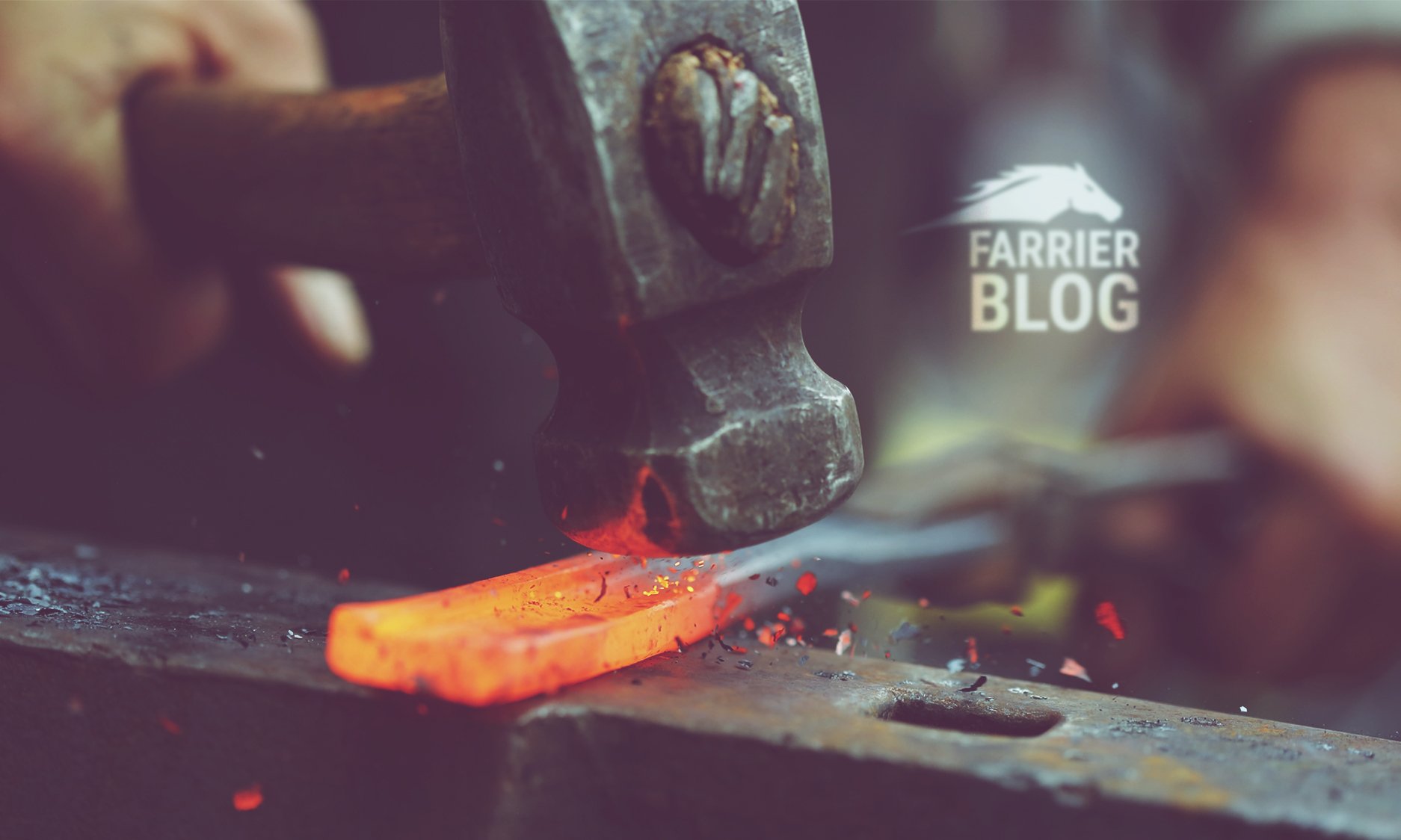
If the horse needs shoes, the farrier will select the appropriate size and type—ranging from traditional steel shoes to more modern composite options like EasyShoe. The shoes are shaped on a portable anvil, often heated and shaped using a forge for a perfect custom fit. This process, called “hot shoeing,” gives the farrier better control over the fit and finish.
The shoes are nailed into the hoof wall carefully, using nails and a clincher to secure them in place. It’s a precise art that requires a deep understanding of anatomy and movement.
Challenges and Rewards
Being a farrier is physically demanding. You’re bent over or kneeling much of the day, often working in extreme weather conditions—cold barns in winter, hot dusty paddocks in summer. Safety is always a concern, as horses can spook or shift their weight unexpectedly.
But for those who love horses and enjoy working with their hands, the job is incredibly fulfilling. There’s satisfaction in seeing a lame horse walk comfortably again, or in preparing a competition horse for peak performance.
Farriers also have the opportunity to build long-term relationships with horses and clients. Many become trusted advisors in a horse’s care team, working closely with vets, trainers, and riders.
Tools of the Trade
To be successful, farriers rely on a wide range of tools:
- Hoof nippers and knives – for trimming and shaping the hoof
- Rasps – to smooth and level the hoof
- Hammers and clinchers – for securing shoes
- Anvils and forges – for shaping custom shoes
- Hoof gauges and levels – to measure balance and angles
Many farriers also use modern tech, including hoof-mapping software and X-rays to help with corrective shoeing.
Continuous Learning
Farriery is a blend of tradition and innovation. New materials, techniques, and research are constantly emerging. That’s why many farriers attend clinics, pursue certifications, and stay up to date with industry trends.
Associations like the American Farrier’s Association (AFA) provide training, support, and resources to help farriers grow their skills.
Final Thoughts
Being a farrier is more than just a job—it’s a lifestyle. It requires strength, patience, craftsmanship, and a deep respect for the animals you serve. Every day brings new challenges, but also new opportunities to make a meaningful impact in the lives of horses and their owners.
If you’re considering becoming a farrier or just want a deeper appreciation for the trade, take a moment to thank the next farrier you see—they’ve got one of the toughest, and most important, jobs in the barn.
 Farrier Blog